Fire risk assessments for HMOs & rented property
Fire risk assessments for HMOs, shared houses and rented property, for landlords, letting agents and licence holders.
No obligation. Prefer to talk? Call 020 8066 2499
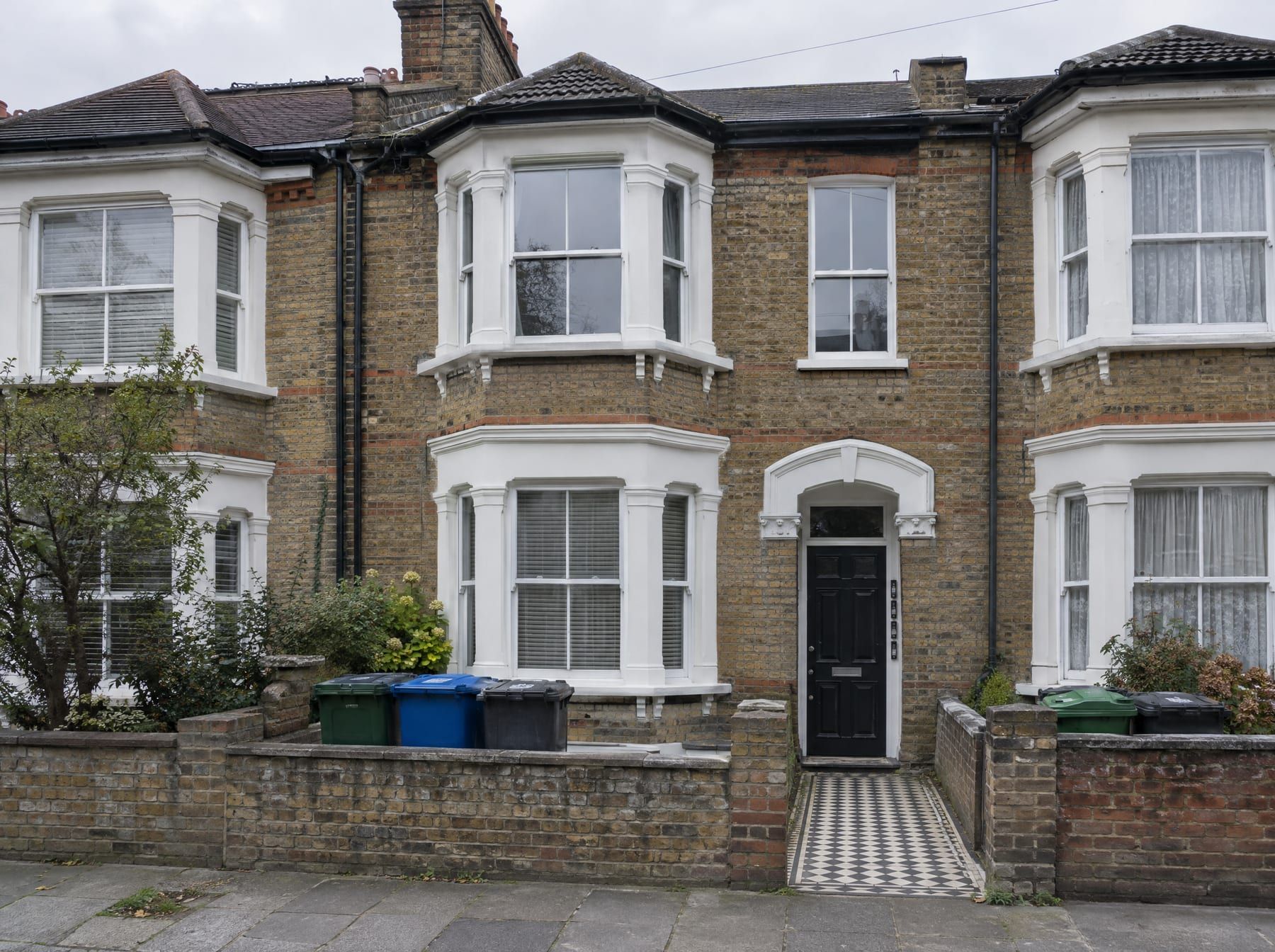
Fire Risk Assessments for HMOs & Rented Property
T&T Fire Safety carries out fire risk assessments for houses in multiple occupation, shared houses and converted buildings let as flats. We work for private landlords, letting and managing agents, HMO licence holders and housing providers.
The assessment looks at how a fire could start, how it would be detected, and whether every tenant could get out. You get a written record with a prioritised action plan you can share with your council or insurer.
What we consider
Shared kitchens
Where the kitchen sits in relation to the escape route, and whether heat detection and a fire door are in place.
Bedroom doors on escape routes
Whether doors to bedrooms and other rooms opening onto the stairs and landings offer suitable fire resistance and close properly.
Interlinked fire detection
Whether the grade and category of the alarm system match the size and layout of the house, using LACORS guidance as the benchmark.
Tenant behaviour and storage
Bikes, bins and belongings left in hallways, wedged doors, removed closers and smoking or candles in rooms.
Inner rooms
Bedrooms that can only be reached through another room, such as a kitchen or lounge, and whether there is a safe alternative way out.
Licence conditions
The fire safety conditions attached to your HMO licence, and whether the property currently meets them.
Your fire risk assessment report
Significant findings
The fire risks and existing precautions identified during the assessment.
Prioritised actions
Recommended actions ranked according to priority.
Next steps
Guidance on the findings and any further action required.
Who is responsible, and what the law expects
In England, the landlord or the person managing the property usually carries the fire safety duties. HMOs occupied by five or more people forming two or more households need a mandatory licence under the Housing Act 2004, and councils can add additional and selective licensing schemes. The HMO Management Regulations 2006 require the manager to keep escape routes clear and fire alarms and fire-fighting equipment in good working order, whether or not the HMO is licensed. Councils use the LACORS fire safety guidance as their benchmark. For offences committed from 1 May 2026, government guidance sets the maximum civil penalty for HMO licensing and management offences at £40,000. The Smoke and Carbon Monoxide Alarm (England) Regulations 2015, as amended, also apply to every private and social let.
Other fire safety services for landlords & hmos
Get a free quote
Frequently asked questions
Does my HMO need a fire risk assessment?
In most cases, yes. Councils expect one for licensed HMOs, and the fire safety duties under the Fire Safety Order cover the shared parts of many rented buildings. Our guide on whether you need a fire risk assessment explains the rules in more detail.
What fire alarm system does an HMO need?
It depends on the number of storeys, the number of occupants and the layout. LACORS guidance sets out benchmark grades and categories of detection, and your licence may set specific conditions. The assessment records whether the existing system is suitable. If it is not, we can help with fire alarm servicing and installation.
Do bedroom doors in an HMO need to be fire doors?
Often, but not always. It depends on the size and layout of the house and the protection given to the escape route. The assessment looks at each door that opens onto the stairs and landings, and our fire door inspections check their condition in detail.
What smoke alarms does a rented home need?
In England, landlords must fit a smoke alarm on every storey used as living accommodation and a CO alarm in rooms with a fixed combustion appliance, other than a gas cooker. Your HMO licence may also set specific alarm conditions.
My council has written asking for a fire risk assessment. What should I do?
Read the letter for any deadline and the specific points it raises, then book the assessment so you have a written record to send back. Our guide to council and insurer fire safety letters explains what these letters usually mean.
How often should an HMO fire risk assessment be reviewed?
The law does not set a fixed interval. It must be kept up to date and reviewed when something significant changes, such as new tenants with different needs, building work or a change in the number of occupants. See our guide on how often an assessment should be reviewed.
Useful reading
Guides for responsible persons
6 min read
Had a Fire Safety Letter From the Council or Your Insurer?
What fire safety letters from councils, fire services, insurers and lenders mean, the law behind each one and what to do in the first 48 hours.
Read the guide7 min read
Do I Need a Fire Risk Assessment?
Who legally needs a fire risk assessment in England: employers, landlords, managing agents, HMOs, blocks of flats and holiday lets.
Read the guide5 min read
How Often Should a Fire Risk Assessment Be Reviewed?
The law says “regularly” and after significant change, not “annually”. What triggers a review, and a practical schedule for flats, HMOs and workplaces.
Read the guide
Sources
- Licensing of HMOs (Prescribed Description) (England) Order 2018 (legislation.gov.uk)
- Management of HMOs (England) Regulations 2006 (legislation.gov.uk)
- Civil penalties under the Renters’ Rights Act 2025 (GOV.UK)
- Smoke and CO alarm regulations: Q&A for landlords (GOV.UK)
- LACORS Housing – Fire Safety guidance (Cambridgeshire Fire and Rescue Service copy)