Fire risk assessments for blocks of flats
Fire risk assessments for the communal areas of purpose-built and converted blocks of flats.
No obligation. Prefer to talk? Call 020 8066 2499
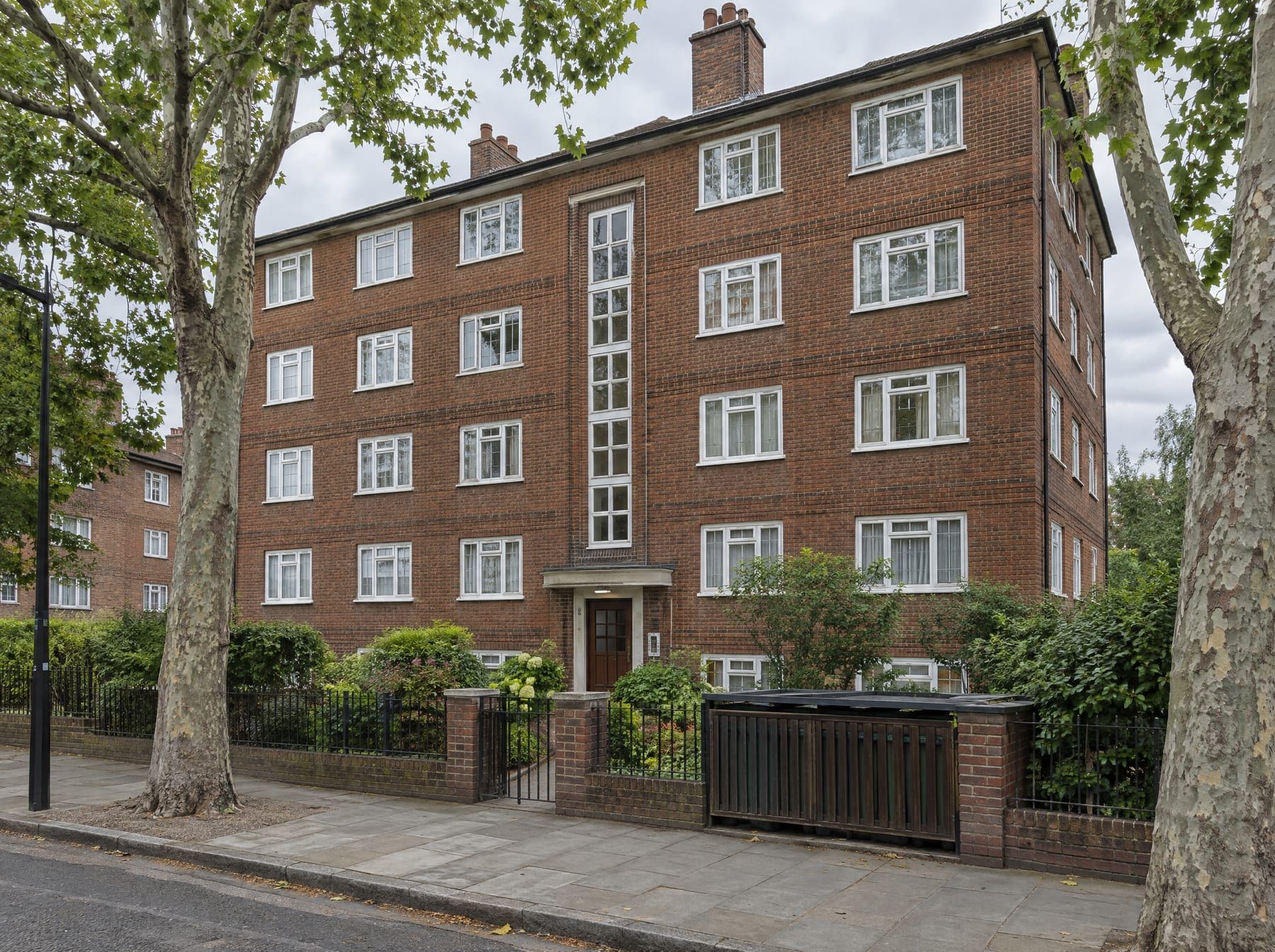
Fire Risk Assessments for Blocks of Flats
T&T Fire Safety carries out fire risk assessments for purpose-built and converted blocks of flats, supporting landlords, freeholders, managing agents and property managers.
The assessment considers the relevant fire risks, escape arrangements and fire-safety measures within the scope of the premises being assessed.
What we consider
Communal escape routes
Stairways, corridors, final exits and the routes residents use to leave the building.
Flat entrance doors
The role and condition of flat entrance doors where relevant and accessible to the assessment.
Communal fire doors
Fire-resisting doors protecting stairs, corridors, cupboards and other communal areas.
Compartmentation
Accessible elements of fire separation and any visible breaches or defects relevant to the assessment.
Fire detection & emergency lighting
Communal alarm and detection arrangements where provided, and emergency lighting to escape routes.
Fire-safety management
Signage, maintenance records, resident information and arrangements for managing fire safety.
Your fire risk assessment report
Significant findings
The fire risks and existing precautions identified during the assessment.
Prioritised actions
Recommended actions ranked according to priority.
Next steps
Guidance on the findings and any further action required.
What the law expects of a block’s Responsible Person
In England the common parts of a block of flats are covered by the Regulatory Reform (Fire Safety) Order 2005. Since the Fire Safety Act 2021, that explicitly includes the building’s structure, external walls (including windows and balconies) and the flat entrance doors that open onto the common parts.
In England, the Fire Safety (England) Regulations 2022 add duties that scale with height: fire-safety instructions and fire door information for residents in every block with two or more flats; quarterly checks of communal fire doors and annual best-endeavours checks of flat entrance doors in blocks over 11 metres; and further duties for high-rise buildings. Our assessment records whether those arrangements are in place.
Other fire safety services for blocks of flats
Get a free quote
Frequently asked questions
Does the assessment cover the inside of flats?
A communal-areas assessment covers the shared parts and the elements separating them from the flats, including flat entrance doors where they are accessible from the communal side. Assessing inside flats is a wider scope, arranged separately.
Who is responsible for arranging it?
The person or organisation in control of the communal areas: usually the freeholder or landlord, or a residents’ management company, often with a managing agent arranging the assessment on their behalf.
Is the evacuation strategy considered?
Yes. The assessment records the strategy in place, whether stay put or simultaneous evacuation, and whether the arrangements and resident information are consistent with it.
Do you open up construction to check compartmentation?
No. The assessment is non-destructive and covers accessible elements and visible defects. Where there is doubt about concealed construction, further investigation is recommended.
What about buildings with a single staircase?
Escape arrangements are assessed as they are, including the protection of the single escape route and the arrangements for residents who would need assistance to leave.
How often should it be reviewed?
There is no single interval that applies to every block. It must be kept up to date and reviewed whenever there is a significant change, such as alterations, a change of use or occupancy, or a fire or near miss.
Useful reading
Guides for responsible persons
5 min read
The Fire Safety (England) Regulations 2022 Explained
What the Fire Safety (England) Regulations 2022 require for blocks of flats under 11m, over 11m and over 18m, plus the 2026 evacuation plan rules.
Read the guide5 min read
How Often Should a Fire Risk Assessment Be Reviewed?
The law says “regularly” and after significant change, not “annually”. What triggers a review, and a practical schedule for flats, HMOs and workplaces.
Read the guide7 min read
Do I Need a Fire Risk Assessment?
Who legally needs a fire risk assessment in England: employers, landlords, managing agents, HMOs, blocks of flats and holiday lets.
Read the guide